
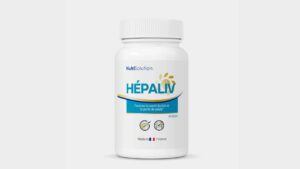
Choosing a liver-support supplement should start with a safety check, not a list of promised benefits. HepaLiv is a botanical food supplement containing nine plant-based and nutrient ingredients, with a recommended intake of two capsules per day.
The formula is vegetarian, gluten-free, lactose-free, and GMO-free. These features may make it suitable for people avoiding certain common ingredients, but they do not mean the supplement is risk-free.
As with any concentrated botanical formula, individual ingredients can affect the body and may interact with medicines or existing health conditions. Here are the main safety considerations to understand before using HepaLiv.
Is HepaLiv Generally Well Tolerated?
For many healthy adults, botanical food supplements can be tolerated without significant problems when used at the recommended dosage. HepaLiv contains ingredients including milk thistle, saffron, rosemary, gotu kola, gymnema, desmodium, green tea, NAC, and betaine.
However, tolerance varies between individuals. A natural ingredient can still have pharmacological effects, particularly when consumed in concentrated supplement form.
The most important consideration with HepaLiv is therefore not simply whether an ingredient is “natural,” but how much is being taken and whether it is appropriate for the individual using it.
Green Tea and EGCG: Why Dosage Matters
Green tea is one of the most important ingredients to consider from a safety perspective.
Green tea contains catechins, including epigallocatechin gallate (EGCG). These compounds have been researched for metabolic and other potential effects, but concentrated green tea extracts can present concerns at high intakes.
According to the European Food Safety Authority (EFSA), consuming 800 mg or more of EGCG per day from concentrated supplements has been associated with increases in liver enzymes, which can indicate liver stress.
This creates an important distinction: green tea consumed as a normal beverage is not the same as taking a concentrated extract in supplement form.
For HepaLiv, the relevant figure is the actual catechin and EGCG content per recommended daily serving. People who take multiple supplements containing green tea should also consider their combined daily intake, rather than looking at each product separately.
Can HepaLiv Interact With Medication?
Potential interactions are another reason to check with a healthcare professional before starting the supplement.
Some of HepaLiv’s botanical ingredients are processed through metabolic pathways involved in the breakdown of medicines. Milk thistle and other plant compounds, for example, may interact with pathways involved in drug metabolism.
Gymnema is another ingredient worth considering for people taking blood-sugar-lowering medication because it is associated with blood-glucose regulation. Combining supplements with medicines that have similar effects may require additional caution.
This does not mean that HepaLiv is inherently dangerous. It means that compatibility should be considered on an individual basis.
If you take prescription medication—particularly medicines that are processed by the liver—ask a pharmacist or doctor before combining them with HepaLiv.
Pregnancy and Breastfeeding
Pregnancy and breastfeeding require a more cautious approach to botanical supplements.
Many herbal combinations have not been adequately studied in pregnant or breastfeeding women. As a result, there may not be enough evidence to establish their safety.
For this reason, HepaLiv should not be used during pregnancy or breastfeeding unless a qualified healthcare professional has specifically recommended it.
The same cautious approach applies to anyone planning a pregnancy.
Allergies and Individual Sensitivities
HepaLiv contains several plant-derived ingredients, including saffron, rosemary, gotu kola, gymnema, and desmodium.
Although the formula is gluten-free and lactose-free, someone can still react to an individual botanical.
If you have known allergies to particular herbs or plant families, review the complete ingredient list before starting the supplement.
It is also sensible to introduce a new supplement without simultaneously starting several other products. If symptoms occur, this makes it easier to identify the possible cause.
Mild digestive changes can sometimes occur when introducing botanical supplements. However, symptoms such as significant swelling, breathing difficulty, or a widespread allergic reaction require immediate medical attention.
Who Should Consult a Healthcare Professional?
Speaking with a doctor or pharmacist before using HepaLiv is particularly important if you:
- Take prescription medication, especially medicines processed by the liver
- Have an existing liver condition
- Have diabetes or take blood-sugar-lowering medication
- Are pregnant or breastfeeding
- Are planning a pregnancy
- Have allergies to any ingredients in the formula
- Are preparing for surgery
A pharmacist can review your medication list and identify potential supplement-drug interactions.
For people with an existing medical condition, professional advice is especially useful because the supplement may not be appropriate even if individual ingredients appear safe in isolation.
Should You Monitor Liver Health?
Routine liver testing is not necessarily required for every healthy adult taking a properly dosed supplement.
However, people who already have liver disease, take medicines that may affect liver function, or have previously experienced abnormal liver-test results may want to discuss monitoring with their doctor.
Liver enzymes such as ALT and AST are commonly included in liver-function assessments. Changes in these markers can occur before noticeable symptoms develop.
Anyone with an existing reason to monitor liver health may therefore benefit from discussing baseline and follow-up testing with a healthcare professional before introducing a new botanical supplement.
Warning Signs You Should Not Ignore
Stop taking the supplement and seek medical advice if concerning symptoms develop.
Particular warning signs include:
- Persistent abdominal pain, especially in the upper-right abdomen
- Unusual or unexplained fatigue
- Dark urine
- Pale stools
- Yellowing of the skin or eyes
These symptoms are not expected in most users, but they can indicate a medical problem that should not be ignored.
The Bottom Line on HepaLiv Safety
HepaLiv is a food supplement, not a medicine, and it should not be viewed as a treatment or cure for liver disease.
For many healthy adults, taking a botanical supplement at its recommended dosage may be well tolerated. However, the safety picture depends on individual circumstances.
The key considerations with HepaLiv are green tea extract dosage, potential medication interactions, existing liver conditions, allergies, and pregnancy or breastfeeding.
The most practical approach is simple: follow the recommended serving, avoid combining multiple products without checking their overlapping ingredients, and speak with a pharmacist or healthcare professional if you take medication or have an existing health condition.
Natural does not automatically mean risk-free. Understanding the ingredients, dosage, and your own circumstances is the best way to use a supplement responsibly.