
Before adding any gut-health supplement to your routine, it is worth asking a simple question: How safe is it for me?
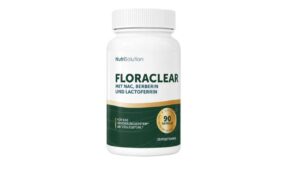
FloraClear is a food supplement containing a combination of botanical extracts, enzymes, amino-acid-related ingredients, and minerals. It is designed for adults and is taken as three capsules per day. While many healthy adults may tolerate this type of supplement without major problems, FloraClear is not suitable for everyone.
The main reason is berberine, an ingredient with several important safety considerations. The formula also contains milk-derived lactoferrin, which creates an additional concern for people with milk allergies.
Here is what to know before using it.
FloraClear: Generally Tolerable, But Not Risk-Free
FloraClear contains nine active components and comes in vegetarian HPMC capsules. For a healthy adult without relevant allergies, medical conditions, or medication interactions, the product may be reasonably well tolerated when used according to the recommended serving.
However, “well tolerated” does not mean that side effects or interactions are impossible.
Digestive supplements can affect people differently, and botanical ingredients may interact with medicines or create problems for people with specific medical conditions. FloraClear therefore deserves a more careful review than a simple “natural means safe” approach.
Berberine Is the Main Safety Consideration
Berberine is present in FloraClear at 100 mg per serving, sourced from Indian barberry. It is one of the most important active ingredients in the formula, but it also carries the clearest precautions.
According to the product guidance, people who should not use FloraClear include:
- Pregnant or breastfeeding women
- People with diabetes
- Individuals with liver conditions
- Individuals with heart conditions
One reason for the diabetes warning is that berberine can influence blood glucose. When combined with glucose-lowering medication, this could potentially increase the risk of blood sugar becoming too low.
The lack of adequate safety data during pregnancy and breastfeeding is another reason for avoiding berberine-containing products during these periods.
Could Berberine Interact With Medication?
This is an important consideration for anyone taking prescription medicines.
Berberine can influence enzymes involved in the metabolism of medicines, including members of the cytochrome P450 enzyme family. As a result, it may affect the concentration or activity of certain drugs.
The product guidance specifically highlights medicines associated with blood sugar and cardiovascular function. However, the potential interaction question can extend beyond those categories.
If you regularly take prescription medication—particularly medicines for blood sugar, blood pressure, heart conditions, or medicines with a narrow safety margin—it is sensible to speak with a pharmacist or healthcare professional before taking FloraClear.
Digestive Reactions Are Possible
Berberine can also cause gastrointestinal symptoms, particularly when someone first starts using it.
Possible reactions include:
- Nausea
- Bloating
- Abdominal cramping
- Constipation
- Diarrhoea
These effects may be more noticeable during the first week or two.
Taking the capsules with food and following the recommended schedule may help improve tolerance. Increasing the dose independently is not advisable.
Important: FloraClear Contains Milk-Derived Lactoferrin
Another major consideration is lactoferrin.
The lactoferrin used in FloraClear is derived from milk, meaning the product is not appropriate for someone with a milk or dairy-protein allergy.
This is particularly important because the product itself may not appear dairy-related. Anyone with a known milk allergy should check the ingredient information carefully and avoid FloraClear if the allergen presents a risk.
Other Ingredients Worth Considering
Berberine and lactoferrin are the biggest safety points, but several other ingredients deserve attention.
Oregano Oil and Caprylic Acid
Concentrated oregano oil and caprylic acid may cause digestive discomfort in some individuals. Oregano belongs to the Lamiaceae family, so people with relevant plant allergies should exercise caution.
Some users may also notice temporary digestive changes when beginning an antimicrobial-style supplement.
Bromelain
Bromelain is an enzyme obtained from pineapple.
Anyone with a pineapple allergy should avoid it. There is also a potential concern for people taking blood-thinning medication because bromelain may influence bleeding-related effects.
If you take anticoagulants or antiplatelet medication, discuss the supplement with a pharmacist before use.
Magnesium
FloraClear contains magnesium citrate, providing 36 mg of elemental magnesium per serving.
At this amount, it is generally modest, although magnesium can have a laxative effect at higher total intakes. People already taking another magnesium supplement should consider their combined intake.
Pregnancy, Breastfeeding and Children
FloraClear is intended for adults and should not be used during pregnancy or breastfeeding.
The key issue is the berberine component, for which the product guidance specifically recommends avoidance in these situations. Botanical supplements are also frequently insufficiently studied in pregnant and breastfeeding populations.
Children should not use the product unless specifically advised by an appropriate healthcare professional.
Who Should Check With a Healthcare Professional?
Speaking with a pharmacist or doctor before starting FloraClear is particularly sensible if you:
- Take prescription medication
- Use blood-sugar-lowering medicines
- Take heart or blood-pressure medication
- Use blood-thinning medication
- Have diabetes
- Have a liver or heart condition
- Are pregnant, breastfeeding, or planning a pregnancy
- Have a milk allergy
- Have a pineapple allergy
- Are preparing for surgery
For some of these groups, particularly pregnancy, diabetes, and certain heart or liver conditions, the product’s berberine warning means avoiding it rather than simply monitoring symptoms.
A pharmacist can also review your existing medicines for potential interactions.
Do Not Assume More Is Better
The recommended daily intake is three capsules. Taking more than the suggested amount is not a sensible way to try to increase the product’s effects.
With ingredients such as berberine, increasing the dose may increase the likelihood of gastrointestinal problems or other unwanted effects.
The supplement should also not be used as a replacement for a varied diet or healthy lifestyle.
Final Takeaway
FloraClear may be suitable for some healthy adults, but it is not a universally appropriate supplement.
The biggest consideration is berberine, which creates important restrictions involving pregnancy, breastfeeding, diabetes, certain heart and liver conditions, and potential medication interactions. The presence of milk-derived lactoferrin is another decisive issue for anyone with a milk allergy.
Other ingredients, including oregano oil, caprylic acid, bromelain, and magnesium, can also present specific considerations depending on allergies, medication use, and individual tolerance.
The practical message is straightforward: follow the recommended dose, check the ingredient list carefully, and do not assume that a botanical supplement is automatically risk-free. If you take medication or have an existing medical condition, getting advice from a pharmacist or healthcare professional before starting FloraClear is the safest approach.