
In this article
- What is the gut-brain connection?
- Can stress change digestive symptoms?
- What can relaxation actually do?
- Does the microbiome control your mood?
- Why IBS is a useful example
- Can probiotics help the gut-brain axis?
- Practical ways to support both systems
- The balanced takeaway
Introduction
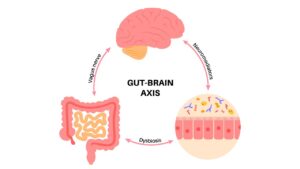
The digestive tract and nervous system communicate through multiple pathways, including nerves, hormones, immune signals and microbial metabolites. This is often described as the gut-brain axis.
Key takeaways
- Gut health is influenced by diet, fibre, fluids, movement and individual digestive conditions rather than one ‘gut reset’ product.
- Fibre variety is an important foundation of a healthy diet, but increases should be gradual when symptoms are present.
- Probiotics and fermented foods are not interchangeable, and evidence depends on the specific product, strain and outcome.
- Persistent or concerning digestive symptoms should be assessed rather than automatically attributed to the microbiome.
What is the gut-brain connection?
The digestive tract and nervous system communicate through multiple pathways, including nerves, hormones, immune signals and microbial metabolites. This is often described as the gut-brain axis.
The connection is biologically real, but online claims sometimes turn it into a simple story in which every digestive symptom is caused by stress or every mood problem can be fixed by probiotics. Neither conclusion is justified.
Can stress change digestive symptoms?
Stress can affect gut motility and how strongly digestive sensations are perceived. People with IBS often report that stress makes symptoms worse, although IBS is not simply a psychological condition.
Recognising the stress component should therefore lead to broader support, not dismissal of physical symptoms.
What can relaxation actually do?
Relaxation strategies can help reduce the burden of stress and may improve how some people experience functional gut symptoms. Options include breathing exercises, mindfulness, regular walking, yoga or other activities that feel calming.
These strategies work best as additions to appropriate diet and medical care rather than replacements.
Does the microbiome control your mood?
Gut microorganisms produce metabolites and interact with the immune and nervous systems, which has created strong research interest. But human evidence is still developing, and it would be premature to claim that changing the microbiome can reliably treat a mental-health condition.
Be particularly cautious of supplements promising to fix anxiety, depression or brain fog solely by ‘healing the gut’.
Why IBS is a useful example
IBS demonstrates how gut sensitivity, motility, food triggers and stress can interact. The NHS recommends a combination of balanced eating, symptom tracking, activity and relaxation strategies.
If symptoms are persistent or concerning, medical assessment still matters.
Can probiotics help the gut-brain axis?
Some probiotic research explores mood and stress outcomes, but evidence varies by strain and study design. A product cannot be assumed to work simply because it contains a popular bacterial species.
Use evidence for the specific product and outcome rather than broad ‘psychobiotic’ marketing.
Practical ways to support both systems
Eat regularly, stay active, protect sleep, make time for relaxation and seek help when symptoms persist. These behaviours support both general health and the ability to cope with digestive symptoms.
See IBS and gut routine for practical next steps.
The balanced takeaway
The gut-brain connection is an important research area, but it is not a shortcut diagnosis. Digestive symptoms deserve physical assessment when necessary, while stress management can be a useful part of comprehensive care.
When should stress management be added to treatment?
If anxiety or low mood is severe, seek appropriate mental-health support rather than treating the issue solely as a gut problem.
Relaxation strategies can be useful alongside dietary and medical approaches. Walking, breathing exercises, mindfulness, yoga and regular sleep are examples that may help reduce overall stress.
What happens during stressful periods?
The response is not identical for everyone. Sleep, food intake, caffeine, activity and the underlying digestive condition can all influence the experience.
Stress can alter gut movement and sensitivity. Some people may experience more urgency, constipation, abdominal discomfort or bloating during stressful periods.
Why stress does not mean symptoms are ‘in your head’
Acknowledging this connection should lead to more comprehensive care, not dismissal of symptoms.
Digestive symptoms can be physically real while also being influenced by stress and the nervous system. The gut contains extensive nerve networks and communicates with the brain through multiple pathways.
What if symptoms continue despite stress management?
The gut-brain connection means both systems can influence each other; it does not mean one side explains every symptom.
If digestive symptoms persist even when stress is better controlled, do not assume the symptoms are psychological. The underlying condition may need reassessment.
Can breathing exercises affect digestion?
They should not be presented as cures. Their role is to support stress management alongside appropriate digestive care.
Slow breathing and relaxation techniques can reduce physiological arousal for some people. They are simple, low-cost strategies that can be added to daily routines.
Why sleep belongs in the conversation
A gut-health routine that ignores sleep and stress is therefore incomplete.
Poor sleep can make stress harder to manage and may also influence how people experience digestive symptoms. While sleep is not a treatment for IBS by itself, a regular sleep schedule can support overall wellbeing.
Frequently asked questions
How can I improve my gut health naturally?
Focus on a varied, fibre-rich diet, regular fluids, physical activity and a consistent routine. If you have a diagnosed digestive condition, individual advice may be needed.
Are probiotics necessary for everyone?
No. Some specific probiotics may help particular symptoms or conditions, but broad claims are not equally supported. Healthy people do not automatically need a probiotic supplement.
How much fibre should I eat?
UK guidance recommends around 30g of fibre a day for adults. Increase gradually and use a variety of foods rather than relying on one fibre source.
When should digestive symptoms be checked?
Persistent or severe pain, blood in the stool, unexplained weight loss, repeated vomiting or significant changes in bowel habit should be discussed with a healthcare professional.
Sources
- NHS — Digestive health
- NHS — Good foods to help your digestion
- NHS — How to get more fibre into your diet
- NHS — Probiotics
- NHS — IBS
- NHS — Constipation
- British Dietetic Association — Fibre
- British Dietetic Association — Probiotics and gut health
- British Dietetic Association — Fermented foods
Editorial safety note: This is general health information, not a diagnosis or individual medical advice. Medical conditions, persistent symptoms, pregnancy, medication use and weakened immunity may require personalised professional guidance.