
In this article
- Start with the basics
- Increase plant-food variety
- Hydration and bowel habits
- Move every day
- Sleep and stress
- Be careful with elimination diets
- Supplements are optional, not foundational
- The natural gut-health checklist
Introduction
Natural gut-health improvement does not require a cupboard full of supplements. The basics are a varied diet, adequate fibre, regular fluids, physical activity and a consistent eating routine.
Key takeaways
- Gut health is influenced by diet, fibre, fluids, movement and individual digestive conditions rather than one ‘gut reset’ product.
- Fibre variety is an important foundation of a healthy diet, but increases should be gradual when symptoms are present.
- Probiotics and fermented foods are not interchangeable, and evidence depends on the specific product, strain and outcome.
- Persistent or concerning digestive symptoms should be assessed rather than automatically attributed to the microbiome.
Start with the basics
Natural gut-health improvement does not require a cupboard full of supplements. The basics are a varied diet, adequate fibre, regular fluids, physical activity and a consistent eating routine.
These measures also support broader health, which is useful because digestive wellbeing does not exist in isolation.
Increase plant-food variety
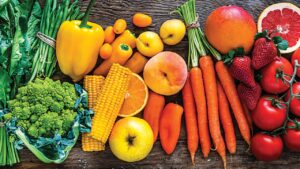
Rather than obsessing over one superfood, gradually increase the variety of vegetables, fruit, wholegrains, pulses, nuts and seeds you eat. Different plants provide different fibres and compounds.
If you have IBS, introduce new foods one at a time and monitor symptoms rather than forcing foods that clearly make you uncomfortable.
Hydration and bowel habits
Regular fluid intake can help fibre do its job and can be particularly relevant for constipation. Responding to the urge to use the toilet can also support normal bowel habits.
These habits are simple but often overlooked when people search for a more dramatic solution.
Move every day
Walking and other regular activity can support bowel function and overall metabolic health. You do not need a specialist gut workout.
Choose movement you can repeat. A consistent daily walk is more useful than a very hard session that happens once a week.
Sleep and stress
Stress does not mean digestive symptoms are imaginary. The gut and nervous system communicate in both directions, and stress can influence how digestive symptoms are experienced.
Relaxation, regular sleep and manageable routines can therefore be part of symptom management, particularly for functional conditions such as IBS.
Be careful with elimination diets
Removing gluten, dairy, grains, fruit or legumes without a clear reason can reduce dietary variety. Some people genuinely need exclusions because of diagnosed conditions, but this should be distinguished from general gut-health advice.
If symptoms persist, a dietitian can help identify triggers without unnecessary restriction.
Supplements are optional, not foundational
Probiotics, fibre products and other supplements may have specific uses, but they should not replace a varied diet. Evidence varies substantially by product.
See gut-health supplements for a more detailed guide.
The natural gut-health checklist
Aim for more plant variety, adequate fibre and fluids, regular movement, sensible meal timing and attention to persistent symptoms. For the complete category, use the Gut Health hub.
How to know whether a change is helping
If symptoms improve, keep the useful change. If they worsen, reassess rather than adding another supplement. Persistent symptoms deserve clinical evaluation.
Choose a small number of outcomes to track, such as bowel regularity, bloating frequency or abdominal discomfort. Change one or two habits at a time.
Why routine beats a reset
A routine can include regular meals, fibre-rich foods, fluids, movement and adequate sleep without becoming complicated.
Digestive function is continuous. A seven-day cleanse may change what you eat for a short period, but it does not create a permanent microbiome reset. Sustainable habits have a better chance of producing lasting benefits.
What does ‘natural’ actually mean?
This matters in gut-health marketing because the word natural is often used to imply that a product is automatically safer than a medicine.
Natural is not a scientific measure of effectiveness or safety. Garlic is natural, but so are many substances that can cause harm at the wrong dose. The useful question is whether an intervention is appropriate and supported by evidence.
When natural approaches are not enough
Natural approaches should complement appropriate care, not delay it.
Self-care has limits. Persistent pain, blood in the stool, unexplained weight loss, repeated vomiting or ongoing changes in bowel habit need professional assessment.
What habits are easiest to maintain?
The best habit is often the one that you can still do during a busy week.
Choose habits that fit your existing routine: oats at breakfast, a piece of fruit with lunch, vegetables at dinner, a pulse-based meal during the week, a daily walk and regular water intake. These changes require little specialist equipment or planning.
Can you improve gut health without probiotics?
This does not mean supplements never help. It means they should have a clear reason rather than being treated as mandatory for everyone.
Yes. Probiotics are optional for most healthy people. A varied diet with adequate fibre, regular fluids and movement provides a strong foundation for normal digestive function.
Frequently asked questions
How can I improve my gut health naturally?
Focus on a varied, fibre-rich diet, regular fluids, physical activity and a consistent routine. If you have a diagnosed digestive condition, individual advice may be needed.
Are probiotics necessary for everyone?
No. Some specific probiotics may help particular symptoms or conditions, but broad claims are not equally supported. Healthy people do not automatically need a probiotic supplement.
How much fibre should I eat?
UK guidance recommends around 30g of fibre a day for adults. Increase gradually and use a variety of foods rather than relying on one fibre source.
When should digestive symptoms be checked?
Persistent or severe pain, blood in the stool, unexplained weight loss, repeated vomiting or significant changes in bowel habit should be discussed with a healthcare professional.
Sources
- NHS — Digestive health
- NHS — Good foods to help your digestion
- NHS — How to get more fibre into your diet
- NHS — Probiotics
- NHS — IBS
- NHS — Constipation
- British Dietetic Association — Fibre
- British Dietetic Association — Probiotics and gut health
- British Dietetic Association — Fermented foods
Editorial safety note: This is general health information, not a diagnosis or individual medical advice. Medical conditions, persistent symptoms, pregnancy, medication use and weakened immunity may require personalised professional guidance.