
When considering any supplement designed around vitamins, amino acids and botanical extracts, it is sensible to look beyond the ingredient list and ask a more practical question: how safe is it to use, and who should be cautious?
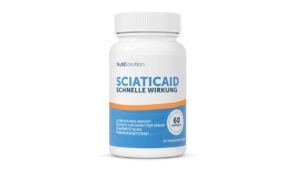
SciaticAid is marketed as a daily food supplement containing a combination of B vitamins, amino acids and plant extracts. It is intended for adults who want to add selected nutrients and botanicals to their everyday routine.
That does not make it suitable for everyone, however. Food supplements can cause unwanted effects, interact with medicines or be inappropriate in particular circumstances. This guide looks at the main safety considerations surrounding SciaticAid without treating a supplement as a substitute for medical care.
What is SciaticAid?
SciaticAid is a capsule-based food supplement containing a combination of five B vitamins and four additional active ingredients: acetyl-L-carnitine, palmitoylethanolamide (PEA), Baikal skullcap and passionflower.
The recommended routine is two capsules per day in the morning, according to the product information.
The formulation is described as vegan, gluten-free, lactose-free and GMO-free. Those characteristics may be useful for people avoiding particular ingredients, although they do not eliminate the possibility of an individual sensitivity or intolerance.
Most importantly, SciaticAid should be viewed as a food supplement rather than a medicine. It should not be relied upon to diagnose, treat or cure a medical condition.
Could SciaticAid cause side effects?
There is no supplement that can honestly be described as completely risk-free. Individual responses can vary depending on the person’s health, other supplements, medicines and sensitivity to particular ingredients.
The ingredients used in SciaticAid have different safety considerations.
Some people may experience relatively mild complaints such as digestive discomfort, headache or an individual reaction to a botanical ingredient. Others may notice nothing at all.
Taking the product exactly as directed and avoiding unnecessary combinations with similar high-dose supplements can reduce some avoidable risks.
Pay attention to the B-vitamin content
One of the main things worth checking before taking SciaticAid is your overall intake of B vitamins, particularly vitamin B6.
B vitamins are commonly included in nutritional supplements because they contribute to a range of normal bodily processes. However, taking multiple products containing the same vitamins can result in substantially higher total intake than expected.
Vitamin B6 deserves particular attention because prolonged excessive intake has been associated with peripheral neuropathy and other nerve-related symptoms. This makes it especially important not to combine SciaticAid with another high-dose B6 supplement without first checking the amounts involved.
There is also a harmless effect that can surprise new users: products containing riboflavin (vitamin B2) can make urine appear noticeably bright yellow. This is generally a normal consequence of riboflavin and should not, by itself, be interpreted as a sign of toxicity.
The practical takeaway is simple: look at your complete daily supplement routine rather than assessing one product in isolation.
What about acetyl-L-carnitine and PEA?
SciaticAid also contains acetyl-L-carnitine and palmitoylethanolamide, commonly abbreviated to PEA.
These ingredients have been investigated in nutritional and scientific contexts, and reported tolerability is generally considered reasonable when used appropriately. Nevertheless, an ingredient being commonly tolerated does not guarantee that every person will respond in the same way.
Digestive discomfort can occur with some nutritional supplements, particularly when someone is sensitive to a particular ingredient or takes a product on an empty stomach.
If you experience persistent or troublesome symptoms after starting a new supplement, it is sensible to stop and discuss the reaction with a healthcare professional rather than simply continuing and hoping it disappears.
Botanical extracts deserve their own consideration
Two plant-derived ingredients in the formula are Baikal skullcap and passionflower.
Botanical extracts can be useful components of supplement formulations, but their presence also means that people with plant allergies or sensitivities should read the complete ingredient information carefully.
Passionflower is traditionally associated with relaxation and calming effects. For that reason, people who already use medicines or supplements that cause drowsiness should take particular care before combining them.
Baikal skullcap is another concentrated botanical extract. Individual reactions to herbal ingredients are possible, even when a product is well tolerated by most users.
The important point is not to assume that “natural” automatically means risk-free.
Can SciaticAid interact with medication?
This is one of the most important questions to consider before starting any multi-ingredient supplement.
The potential for an interaction depends on the exact medicine, dose and individual circumstances. Someone taking regular prescription medication should therefore avoid making assumptions based solely on the fact that SciaticAid contains vitamins and plant extracts.
Particular caution may be appropriate for people taking:
- Sedative or sleep-related medicines
- Medicines that can cause drowsiness
- Multiple vitamin or mineral supplements
- High-dose vitamin B6 or B-complex products
- Long-term prescription medicines requiring regular monitoring
The presence of passionflower is another reason to discuss the product with a pharmacist if you already use medicines that have a calming or sedating effect.
A pharmacist can check the actual ingredients against your medication list and tell you whether there is a known concern.
Is SciaticAid suitable during pregnancy or breastfeeding?
According to the product guidance, SciaticAid is not intended for pregnant or breastfeeding women.
This is an important distinction: a lack of suitability does not necessarily mean that every ingredient has been proven harmful during pregnancy. Rather, many supplement combinations do not have sufficient safety evidence in pregnant or breastfeeding populations to establish that they are appropriate.
Anyone who is pregnant, breastfeeding or planning a pregnancy should therefore speak with a doctor, midwife or pharmacist before using a product containing multiple vitamins and botanical extracts.
The same principle applies to anyone trying to conceive and unsure about whether a particular supplement should be continued.
What about children?
SciaticAid is not intended for children under 12 years of age, according to the product information.
Children have different nutritional requirements from adults, and adult supplement formulations should not automatically be assumed to be appropriate for them.
If a child is experiencing persistent pain, numbness, tingling or other neurological symptoms, medical assessment is more appropriate than trying an adult food supplement.
Allergies and individual sensitivities
The fact that a product is vegan, gluten-free or lactose-free does not mean that allergic reactions are impossible.
SciaticAid contains several botanical ingredients, so anyone with known allergies or sensitivities should review the complete formulation before taking it.
When starting a new supplement, it can also be useful to avoid introducing several new products simultaneously. If a reaction occurs, having fewer new variables makes it easier to identify what may have caused it.
Possible signs of an allergic reaction can include:
- Skin rash or hives
- Swelling
- Itching
- Breathing difficulties
- Sudden dizziness or feeling unwell
Breathing difficulties, significant swelling or other symptoms suggesting a serious allergic reaction require urgent medical attention.
Who should check with a healthcare professional first?
Some people should take a more cautious approach before adding SciaticAid to their routine.
Speak with a doctor or pharmacist first if you:
- Take prescription medicines regularly
- Already use a B-complex or high-dose B6 supplement
- Have a diagnosed medical condition
- Are pregnant, planning a pregnancy or breastfeeding
- Have known allergies to any of the listed ingredients
- Are preparing for surgery
- Are being investigated for unexplained nerve symptoms
This does not automatically mean that the supplement is unsuitable. It simply means that the decision should take your individual circumstances into account.
Don’t use a supplement to ignore serious nerve symptoms
There is an important distinction between using a supplement as part of a general wellness routine and attempting to manage potentially serious neurological symptoms yourself.
Sciatica can have different causes, and persistent or severe symptoms may require medical assessment.
According to the NHS, urgent medical attention is particularly important when symptoms include numbness around the genitals or buttocks, difficulty controlling the bladder or bowel, or severe weakness affecting both legs.
These symptoms should never be managed by relying on a supplement alone.
If pain is severe, continues to worsen or does not improve, contacting a GP or another appropriate healthcare professional is a more appropriate next step.
How to approach SciaticAid safely
For someone considering SciaticAid, a sensible approach is fairly straightforward:
1. Read the complete label.
Check every active ingredient rather than focusing on one advertised component.
2. Check your other supplements.
Pay particular attention to products containing vitamin B6 or a high-dose B-complex.
3. Consider your medication.
If you take prescription or regular over-the-counter medicines, ask a pharmacist about possible interactions.
4. Follow the recommended serving.
Taking more capsules does not necessarily provide greater benefit and may increase unnecessary exposure to certain ingredients.
5. Pay attention to unusual symptoms.
If you develop a persistent or significant reaction, stop using the product and seek appropriate medical advice.
6. Keep medical symptoms separate from supplement use.
A supplement should not delay assessment of severe pain, weakness, numbness or bladder or bowel problems.
Final thoughts on SciaticAid safety
SciaticAid combines B vitamins with amino-acid-related ingredients and botanical extracts, making it important to consider the whole formulation rather than one ingredient at a time.
For healthy adults who follow the manufacturer’s directions, the ingredients are generally used in nutritional or supplement contexts with reasonable tolerability. However, individual reactions remain possible, and particular care is warranted when combining the product with other supplements or medicines.
Vitamin B6 is one of the main ingredients worth monitoring when calculating your total daily intake. People who are pregnant or breastfeeding, children under 12, those with existing health conditions, and anyone taking regular medication should seek appropriate professional advice before use.
Most importantly, SciaticAid should remain a supplement—not a replacement for medical assessment or treatment. If you have persistent or severe symptoms associated with sciatica, particularly neurological or bladder and bowel symptoms, seek professional medical care rather than relying on a supplement.