
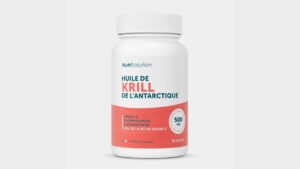
If you are researching NutriSolution Antarctic Krill Oil, you may be wondering how it differs from conventional fish oil and whether it could fit into your daily wellness routine.
The product is based on Antarctic krill oil and highlights three key components: omega-3 fatty acids, phospholipids and astaxanthin. The source material positions the formula around cardiovascular, joint, circulation, brain and general wellness support.
But how should these claims be understood? Here is a balanced look at the formula, proposed benefits, usage information and the evidence-related limitations to consider before buying.
What is NutriSolution Antarctic Krill Oil?
NutriSolution Antarctic Krill Oil is a dietary supplement supplied in soft capsules. According to the product information, it uses wild krill sourced from the Antarctic Ocean and combines krill-derived omega-3 with phospholipids and naturally occurring astaxanthin.
The product is positioned for adults looking to complement their diet with omega-3s, particularly those interested in:
- cardiovascular wellness;
- joint comfort;
- normal circulation;
- brain and cognitive wellness;
- antioxidant support.
These are nutritional and wellness objectives rather than substitutes for medical treatment.
What makes krill oil different from fish oil?
One of the main selling points of krill oil is its omega-3 structure. The source explains that krill omega-3 is associated with phospholipids, while fish oil commonly provides omega-3 in triglyceride form.
Krill oil also naturally contains astaxanthin, a carotenoid with antioxidant properties. This gives krill oil its characteristic reddish colour and distinguishes it compositionally from standard fish oil.
However, claims that krill oil is universally superior or dramatically more absorbable than fish oil should be interpreted cautiously. The source cites comparative research, but individual outcomes can depend on the formulation, dose and study design.
NutriSolution Antarctic Krill Oil ingredients
The formula centres on three important nutritional components:
Omega-3 fatty acids
Omega-3s are the primary nutritional component of krill oil. They are commonly associated with normal cardiovascular and brain function and are widely used as part of dietary strategies supporting overall health.
Phospholipids
Phospholipids are naturally present in krill oil and are highlighted by the manufacturer as part of the reason for its absorption profile. The source presents this as a key distinction from fish oil.
Astaxanthin
Astaxanthin is a naturally occurring antioxidant compound found in krill. The source describes it as an additional component intended to complement the omega-3 content through antioxidant activity.
What benefits can you expect?
The product materials associate Antarctic krill oil with several areas of wellness, including cardiovascular health, circulation, joints, eyes, brain function and antioxidant protection.
Some research cited in the source has investigated krill oil in relation to lipid markers and joint-related outcomes. One study described in the material involved 90 participants with joint pain and reported improvements in inflammation, stiffness, discomfort and functional impairment after one week.
These findings should not be interpreted as a guarantee that every user will experience the same results. A study involving a particular formulation, dosage or population cannot automatically establish identical effects for every commercial krill-oil product.
Can krill oil help with swollen feet?
The original product presentation strongly focuses on swollen feet and ankles and includes several customer testimonials describing improvements.
However, swelling of the feet, ankles or legs can have many different causes. Persistent or unexplained swelling should not automatically be attributed to inflammation or poor circulation, and a supplement should not replace medical assessment.
Krill oil may be considered as a nutritional supplement, but it should not be presented as a guaranteed solution for oedema or an underlying medical condition.
How should NutriSolution Antarctic Krill Oil be taken?
The product information states that each bottle contains 30 capsules of 500 mg and describes a suggested intake of one to two soft capsules per day. It also recommends long-term daily use.
The safest approach is to follow the current product label rather than relying solely on promotional material or testimonials.
Do not increase the dosage simply because you have not noticed an immediate effect.
Safety and precautions
Krill oil is a dietary supplement, so individual suitability matters. People taking regular medication, particularly those with cardiovascular conditions or other ongoing health concerns, should consult a doctor or pharmacist before starting supplementation.
It is also important to check the complete label for allergens and formulation details. The product information states that the formula is free from soy, gluten and added sugar, but consumers should verify the current packaging because formulations can change.
Anyone experiencing persistent swelling, significant joint pain, unexplained cardiovascular symptoms or other concerning symptoms should seek professional medical advice rather than relying on a supplement.
NutriSolution Antarctic Krill Oil reviews: what do users say?
The source includes several positive customer testimonials describing improvements in swelling, joint comfort, dry eyes, circulation and general wellbeing.
These experiences can provide insight into how individual customers perceive the product, but testimonials are not equivalent to controlled clinical evidence. They cannot establish how frequently a particular benefit occurs or whether krill oil was responsible for the change.
For a more reliable assessment, consider the ingredients, dosage, independent evidence and your own health circumstances alongside customer reviews.
Where is NutriSolution Antarctic Krill Oil produced?
According to the supplied product information, the krill is sourced from the Antarctic Ocean and the product is processed at a laboratory near Angers, France. The source also states that the manufacturing laboratory holds ISO 9001, ISO 22000 and Ecocert certifications.
These are manufacturer-provided claims and should be checked against current packaging or certification documentation if certification status is important to your purchasing decision.
Price and available packs
The supplied page lists several purchasing options, including one-, three- and six-bottle packs. The promotional prices shown are £37, £30 and £23 per bottle respectively, although offers can change.
The page also advertises free delivery and a 180-day money-back guarantee. Consumers should verify the current terms before purchasing, particularly the refund conditions and whether opened products are eligible.
Frequently asked questions
What is NutriSolution Antarctic Krill Oil?
It is a krill-oil dietary supplement providing omega-3 fatty acids alongside phospholipids and naturally occurring astaxanthin.
What makes krill oil different from fish oil?
Krill oil naturally contains omega-3 associated with phospholipids and also provides astaxanthin. Fish oil generally provides omega-3 primarily in triglyceride or ethyl-ester forms, depending on the product.
How much NutriSolution Krill Oil should you take?
The supplied information recommends one to two 500 mg soft capsules daily. Always check the current product label before use.
Can krill oil treat swollen legs or joint pain?
It should not be considered a treatment or guaranteed solution for either condition. Persistent swelling or significant pain warrants appropriate medical evaluation.
How quickly does krill oil work?
There is no universally established timeframe for individual results. The product page mentions benefits appearing within days, but personal responses can vary and promotional claims should not be treated as guarantees.
Final verdict
NutriSolution Antarctic Krill Oil offers a straightforward omega-3 supplement built around krill oil, phospholipids and astaxanthin. Its main point of differentiation from conventional fish oil is the natural combination of omega-3 and phospholipids together with astaxanthin.
The available product information highlights potential support for cardiovascular, joint, circulation and general wellness, while the cited research provides some context for investigating krill oil in these areas. However, customer testimonials and promotional claims should not be confused with guaranteed outcomes.
For anyone considering the supplement, the sensible approach is to review the current label, follow the recommended intake and seek professional advice when taking medication or dealing with persistent health symptoms.