
In this article
- There is no single ‘liver food’
- Vegetables and fruit
- Wholegrains and pulses
- Fish, protein and unsaturated fats
- What about sugar and refined carbohydrates?
- Where does coffee fit?
- What about ‘detox’ foods?
- A simple UK shopping list
Introduction
Search for liver-health foods and you will quickly find lists of powders, juices and exotic ingredients. In reality, the strongest practical approach is not a single superfood but an overall eating pattern. The UK Eatwell Guide emphasises variety, vegetables and fruit, higher-fibre starchy foods, protein sources and appropriate fats.
Key takeaways
- Liver health is shaped by long-term patterns rather than a single food or supplement.
- Evidence needs to be matched to the actual product, dose or intervention.
- Symptoms and online checklists cannot replace appropriate medical assessment.
- Simple, sustainable habits are more useful than short detox programmes.
There is no single ‘liver food’
Search for liver-health foods and you will quickly find lists of powders, juices and exotic ingredients. In reality, the strongest practical approach is not a single superfood but an overall eating pattern. The UK Eatwell Guide emphasises variety, vegetables and fruit, higher-fibre starchy foods, protein sources and appropriate fats.
That makes liver-friendly eating less complicated. You do not need a cupboard full of products labelled detox. You need a diet you can follow repeatedly, with room for normal meals and occasional treats.
Vegetables and fruit
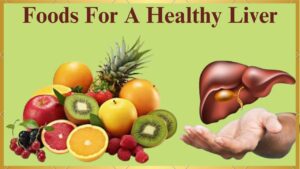
Vegetables and fruit provide fibre, vitamins, minerals and many plant compounds. Variety matters because different foods provide different nutrients. Fresh, frozen and canned options can all be useful depending on preparation.
A simple way to increase intake is to add one vegetable or fruit serving to meals you already eat rather than trying to redesign the whole diet at once.
Wholegrains and pulses
Oats, wholemeal bread, wholegrain pasta, brown rice, beans, lentils and chickpeas can increase fibre while providing useful carbohydrate or plant protein. Pulses are particularly versatile and can be used in soups, curries, salads and stews.
If your current diet is low in fibre, increase it gradually. A sudden large change can cause bloating for some people, so the goal is to build a pattern that your digestion can tolerate.
Fish, protein and unsaturated fats
Fish, eggs, dairy or suitable alternatives, pulses and other protein foods can fit within a balanced diet. Nuts, seeds and unsaturated oils can also provide useful fats. Nutrition is not about eliminating all fat; it is about the balance and total pattern.
For people managing fatty liver, the wider dietary pattern matters alongside weight management where appropriate. Our guide to MASLD explained(MASLD) explains why metabolic health is relevant.
What about sugar and refined carbohydrates?
It is not accurate to say that one biscuit or one bowl of white rice damages the liver. The more useful question is what dominates the diet over weeks and months. Regularly consuming large amounts of sugary drinks and highly processed foods can make it harder to manage overall energy intake and metabolic health.
Swapping some sugary drinks for water, choosing higher-fibre carbohydrates and adding more vegetables are practical changes that do not require a restrictive diet.
Where does coffee fit?
Coffee has been associated with favourable liver outcomes in observational research, which makes it an interesting topic. It should not, however, be treated as a liver medicine. Caffeine tolerance, sleep, pregnancy, medications and individual preferences all matter.
If you already drink coffee and tolerate it well, there is no need to turn it into a special liver protocol. Our [coffee and the liver](coffee) article looks at what the research can and cannot establish.
What about ‘detox’ foods?
Lemon water, juices and herbal teas can be part of a person’s diet, but they do not create a separate liver-cleaning system. The liver is already processing substances continuously. A balanced diet is more meaningful than a short detox programme.
If a product claims to reverse fatty liver or repair liver damage, look for evidence on the actual product and dose rather than relying on the word ‘natural’.
A simple UK shopping list
For a straightforward weekly shop, think oats, wholemeal bread, vegetables, fruit, beans, lentils, fish or another suitable protein, nuts and unsaturated oils. These foods do not need a liver-health label to be useful.
If you want the broader picture, our liver health hub(liver health hub) links diet with alcohol, weight, testing and liver conditions.
Practical ways to reduce intake
If you regularly find it difficult to stop once you begin, or you drink heavily most days, professional advice is more appropriate than trying to manage the situation with a supplement.
Alternating alcoholic drinks with water, choosing lower-strength options, measuring home pours and setting alcohol-free days can reduce intake without requiring a complete lifestyle overhaul. Planning before a social event can also help because decisions become harder once drinking has started.
What happens if you already have liver disease?
This is especially important because people sometimes use the 14-unit figure as if it were a guaranteed safe allowance. It is better understood as a lower-risk public-health guideline for people who drink, not a treatment target for someone with a liver condition.
General population guidance is not necessarily the right target for someone with established liver disease. Depending on the diagnosis and severity, a clinician may recommend reducing alcohol further or avoiding it altogether.
Why ‘only on weekends’ can still matter
Tracking units rather than drinking days gives a more accurate picture. It also makes it easier to identify occasions where serving sizes have gradually increased.
Some people assume that drinking only one or two days a week automatically means their intake is low. That depends on how much is consumed during those occasions. A large amount in a single session can represent a substantial alcohol exposure even if the rest of the week is alcohol-free.
Frequently asked questions
What is the most important thing for liver health?
There is no single action that applies to everyone. Alcohol intake, diet quality, metabolic health, physical activity and any existing liver condition all matter.
Can a supplement replace lifestyle changes?
No. A supplement should not be presented as a substitute for medical care or for addressing established lifestyle risk factors.
When should I speak to a doctor?
Seek advice for persistent or concerning symptoms, abnormal liver tests, a known liver condition or significant risk factors. Urgent symptoms such as vomiting blood, black stools, severe confusion or jaundice need prompt medical attention.
Sources
Editorial safety note: This content is general health information, not a diagnosis or individual medical advice. Claims about symptoms, supplements and treatment should be checked against the cited source before publication.