
In this article
- What is constipation?
- How much fibre helps?
- Why fluids matter
- Does exercise help constipation?
- What about toilet habits?
- When might a laxative be needed?
- When should constipation be checked medically?
- The practical approach
Introduction
Constipation involves changes in bowel habits such as going less often, passing hard or lumpy stools, straining or feeling that the bowel has not emptied completely. It is common and can often improve with simple dietary and lifestyle changes.
Key takeaways
- Gut health is influenced by diet, fibre, fluids, movement and individual digestive conditions rather than one ‘gut reset’ product.
- Fibre variety is an important foundation of a healthy diet, but increases should be gradual when symptoms are present.
- Probiotics and fermented foods are not interchangeable, and evidence depends on the specific product, strain and outcome.
- Persistent or concerning digestive symptoms should be assessed rather than automatically attributed to the microbiome.
What is constipation?
Constipation involves changes in bowel habits such as going less often, passing hard or lumpy stools, straining or feeling that the bowel has not emptied completely. It is common and can often improve with simple dietary and lifestyle changes.
However, constipation can also have medical causes or be related to medicines, so persistent symptoms should not always be managed indefinitely at home.
How much fibre helps?
The UK recommendation for adults is around 30g of fibre a day. Fibre can help add bulk and improve stool consistency, but increasing it gradually is important.
Good sources include wholegrains, oats, vegetables, fruit, beans, lentils, nuts and seeds. Some people with IBS may need a more individual approach to fibre type and amount.
Why fluids matter
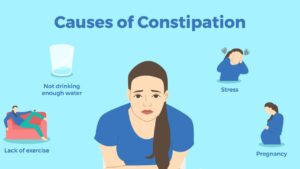
Fibre absorbs water. If fluid intake is inadequate, adding a large amount of fibre may not produce the desired effect and can sometimes increase discomfort.
Drink regularly throughout the day. Individual needs vary, especially with exercise, hot weather and medical conditions.
Does exercise help constipation?
Regular activity can encourage more regular bowel movements. A daily walk is a simple option, but any movement that fits your ability can contribute.
If you are currently inactive, start gradually rather than trying to compensate with a very intense workout.
What about toilet habits?
Do not repeatedly ignore the urge to go. Allow enough time and consider using a low footstool so that the knees are raised above the hips. A regular routine after meals may also help some people.
When might a laxative be needed?
If diet and lifestyle changes are not enough, a pharmacist can advise on suitable laxatives. The choice depends on the type of constipation and the individual.
Do not assume that herbal laxatives or ‘colon cleanse’ products are automatically safer. Some can cause cramping or electrolyte problems when misused.
When should constipation be checked medically?
Seek medical advice for persistent constipation, blood in the stool, unexplained weight loss, severe abdominal pain, vomiting or a significant change from your normal bowel pattern.
Constipation that suddenly appears and does not improve also deserves attention, particularly in older adults.
The practical approach
Increase fibre gradually, drink regularly, move daily and respond to the urge to go. If symptoms persist, seek advice rather than escalating supplements indefinitely. See constipation for the condition-specific guide.
Why colon cleanses are unnecessary
If you are constipated, address the likely cause rather than repeatedly flushing the bowel.
The bowel is designed to move waste through the digestive tract. Routine colon cleanses are not required for healthy people and can cause cramps, dehydration or electrolyte problems.
What if constipation keeps returning?
Medication review can be particularly important because some medicines can contribute to constipation. Never stop prescribed treatment without advice.
Recurring constipation can be linked with diet, low activity, medicines, routine changes or an underlying condition. If it repeatedly returns despite sensible self-care, speak with a GP or pharmacist.
How quickly can constipation improve?
Do not keep adding fibre every day simply because the first change did not work immediately. Give the adjustment time and consider whether the type of fibre suits you.
Some people notice changes within days after improving fibre, fluids and activity, while others need several weeks. The speed depends on the cause and how long the problem has been present.
What should you avoid?
If you need medication for constipation, a pharmacist or clinician can recommend an appropriate option based on your symptoms.
Repeatedly using strong laxatives or colon-cleanse products without guidance is not a sensible long-term gut-health strategy. Some products can cause cramps, dehydration or electrolyte disturbances.
Why routine can matter
Avoid repeatedly postponing bowel movements simply because you are busy. If constipation persists despite routine changes, seek advice.
Changes in travel, work hours, diet and daily movement can affect bowel habits. Creating a regular opportunity to use the toilet and responding to the urge can support a consistent routine.
Are prunes and fruit useful?
This does not mean everyone needs a large serving every day. Portion, tolerance and the rest of the diet matter.
Some fruits contain sorbitol and fibre that can help bowel regularity. The NHS lists several fruits containing sorbitol among options that may help constipation.
Frequently asked questions
How can I improve my gut health naturally?
Focus on a varied, fibre-rich diet, regular fluids, physical activity and a consistent routine. If you have a diagnosed digestive condition, individual advice may be needed.
Are probiotics necessary for everyone?
No. Some specific probiotics may help particular symptoms or conditions, but broad claims are not equally supported. Healthy people do not automatically need a probiotic supplement.
How much fibre should I eat?
UK guidance recommends around 30g of fibre a day for adults. Increase gradually and use a variety of foods rather than relying on one fibre source.
When should digestive symptoms be checked?
Persistent or severe pain, blood in the stool, unexplained weight loss, repeated vomiting or significant changes in bowel habit should be discussed with a healthcare professional.
Sources
- NHS — Digestive health
- NHS — Good foods to help your digestion
- NHS — How to get more fibre into your diet
- NHS — Probiotics
- NHS — IBS
- NHS — Constipation
- British Dietetic Association — Fibre
- British Dietetic Association — Probiotics and gut health
- British Dietetic Association — Fermented foods
Editorial safety note: This is general health information, not a diagnosis or individual medical advice. Medical conditions, persistent symptoms, pregnancy, medication use and weakened immunity may require personalised professional guidance.