
In this article
- What does 14 units actually mean?
- Why the pattern matters
- How alcohol affects the liver
- Can a detox undo heavy drinking?
- How to count units in real life
- What if cutting down is difficult?
- Where does the 14-unit rule fit into liver health?
Introduction
UK guidance recommends that adults who drink alcohol should not regularly drink more than 14 units a week, spread over three or more days. A unit is a measure of pure alcohol, so the number of units depends on both the strength and volume of a drink.
Key takeaways
- UK guidance uses a 14-unit weekly limit for people who drink.
- Units depend on drink strength and volume, not simply the number of glasses.
- Reducing alcohol exposure is more direct than relying on detox products.
- People drinking heavily may need professional help to reduce safely.
What does 14 units actually mean?
UK guidance recommends that adults who drink alcohol should not regularly drink more than 14 units a week, spread over three or more days. A unit is a measure of pure alcohol, so the number of units depends on both the strength and volume of a drink.
This is more useful than simply counting glasses because a large serving can contain more alcohol than a standard measure. Checking the alcohol percentage and volume gives a clearer picture.
Why the pattern matters
The same weekly total can be consumed in very different patterns. Concentrating a large amount into one session creates a different risk profile from spreading smaller amounts across several days. Several alcohol-free days can also make it easier to identify whether drinking has become an automatic part of the week.
The guideline is not a promise that 14 units is completely risk-free. It is a public-health limit intended to keep risk lower.
How alcohol affects the liver
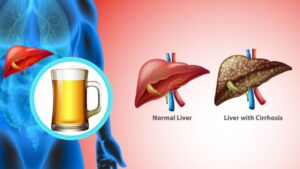
The liver processes alcohol, and repeated excess exposure can contribute to alcohol-related liver disease. Liver injury can develop through stages, including fatty change, inflammation and scarring. Not everyone progresses in the same way, and individual risk can be influenced by other factors.
Alcohol can also add to the overall burden in people who have other liver problems. If you already have a diagnosis, your clinician may recommend a stricter limit or complete avoidance.
Can a detox undo heavy drinking?
An alcohol-free weekend can be a useful break, but it does not cancel the effects of repeated heavy drinking. A detox tea or supplement is not a substitute for reducing alcohol exposure.
If alcohol is the relevant risk factor, the most direct intervention is to reduce the exposure. This sounds less exciting than a cleanse, but it addresses the cause rather than the marketing story.
How to count units in real life
Check the label for ABV and volume. A stronger beer can contain more units than a lower-strength beer even when the container looks similar. Wine glasses also vary in size, which makes ‘I only had two glasses’ a poor estimate without knowing the serving volume.
Tracking drinks for a few weeks can reveal patterns that are easy to underestimate. If you are unsure how to calculate units, use the NHS alcohol guidance rather than a supplement company’s calculator.
What if cutting down is difficult?
Difficulty reducing alcohol is not a sign that you need a stronger liver supplement. It can be a sign that additional support would be useful. A GP, pharmacist or alcohol-support service can help with practical strategies.
People who drink heavily every day should seek medical advice before stopping suddenly because withdrawal can be serious in some circumstances.
Where does the 14-unit rule fit into liver health?
Alcohol is only one part of liver health. Diet, weight, metabolic conditions, viral hepatitis, medicines and other factors can also matter. For the wider context, see our liver health hub(liver health hub) and [fatty liver guide](MASLD).
The most useful question is not ‘what can cleanse my liver after drinking?’ but ‘what can I change about my drinking pattern going forward?’
Why small changes can still matter
A liver-health plan should therefore measure progress more broadly than weight alone. Where appropriate, clinical follow-up can include blood tests and other assessments rather than relying only on home measurements.
People sometimes abandon lifestyle changes because they cannot immediately see a large difference on the scales. But improved fitness, better food quality, lower alcohol intake and more consistent sleep can all contribute to a healthier routine.
What does insulin resistance have to do with the liver?
This is one reason MASLD is closely linked with conditions such as type 2 diabetes. Managing blood glucose and cardiovascular risk is therefore relevant to liver health as well as to the rest of the body.
Insulin helps regulate how the body uses and stores glucose. When tissues become less responsive to insulin, the body may compensate by producing more. Changes in fat handling can also increase the flow of fatty acids towards the liver.
Why visceral fat and metabolic health matter
This does not mean that body size alone tells you whether someone has a liver problem. Metabolic health is influenced by several factors, and some people develop fatty liver without fitting a simple stereotype.
Body fat is not simply a storage compartment. Where fat is stored and how the body responds to insulin can influence metabolic health. Excess visceral fat is associated with insulin resistance and can contribute to a metabolic environment in which fat accumulates in the liver.
Frequently asked questions
What is the most important thing for liver health?
There is no single action that applies to everyone. Alcohol intake, diet quality, metabolic health, physical activity and any existing liver condition all matter.
Can a supplement replace lifestyle changes?
No. A supplement should not be presented as a substitute for medical care or for addressing established lifestyle risk factors.
When should I speak to a doctor?
Seek advice for persistent or concerning symptoms, abnormal liver tests, a known liver condition or significant risk factors. Urgent symptoms such as vomiting blood, black stools, severe confusion or jaundice need prompt medical attention.
Sources
Editorial safety note: This content is general health information, not a diagnosis or individual medical advice. Claims about symptoms, supplements and treatment should be checked against the cited source before publication.