
In this article
- Why movement may help the gut
- Exercise and constipation
- Can exercise cause digestive symptoms?
- What about the microbiome?
- Walking, strength and cardio
- Exercise with IBS
- How much is enough?
- The practical takeaway
Introduction
Physical activity can influence bowel motility and is part of standard advice for constipation. It also supports cardiovascular and metabolic health, which indirectly supports a healthy lifestyle overall.
Key takeaways
- Gut health is influenced by diet, fibre, fluids, movement and individual digestive conditions rather than one ‘gut reset’ product.
- Fibre variety is an important foundation of a healthy diet, but increases should be gradual when symptoms are present.
- Probiotics and fermented foods are not interchangeable, and evidence depends on the specific product, strain and outcome.
- Persistent or concerning digestive symptoms should be assessed rather than automatically attributed to the microbiome.
Why movement may help the gut
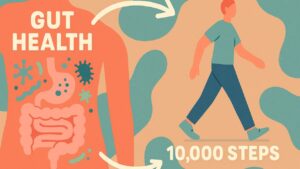
Physical activity can influence bowel motility and is part of standard advice for constipation. It also supports cardiovascular and metabolic health, which indirectly supports a healthy lifestyle overall.
You do not need a specialist exercise programme for digestive health. Regular walking is a useful starting point.
Exercise and constipation
The NHS includes increasing activity among lifestyle measures that may help constipation. A daily walk can encourage more regular bowel movements, although the response varies.
Combine movement with gradual fibre increases and adequate fluids rather than expecting exercise to solve constipation on its own.
Can exercise cause digestive symptoms?
Hard exercise can sometimes trigger temporary digestive symptoms, particularly when hydration, meal timing or intensity is not well matched to the person. Some people experience urgency or cramping during running or intense training.
This does not mean exercise is bad for the gut. It means training needs to be adjusted to the individual.
What about the microbiome?
Research is exploring whether regular physical activity is associated with changes in gut microbial diversity and function. However, the microbiome is influenced by diet, age, medication and many other factors, so exercise alone should not be marketed as a microbiome reset.
Walking, strength and cardio
Walking is accessible and can be spread throughout the day. Strength training supports muscle and general metabolic health. Cardiorespiratory activities such as cycling or swimming can build fitness.
Choose a combination that is realistic for your health and schedule.
Exercise with IBS
Some people with IBS find that regular activity helps symptoms, while intense exercise may trigger problems in others. The NHS recommends exercise as part of lifestyle management, alongside balanced eating and relaxation.
If exercise repeatedly causes severe symptoms, discuss the pattern with a healthcare professional.
How much is enough?
The NHS general physical-activity guidance for adults can be used as a broad framework. Start from your current ability and build gradually rather than aiming immediately for a demanding target.
The practical takeaway
Regular movement is a simple part of a healthy gut routine. It works best alongside diet, fluids, sleep and appropriate medical care. Link this article to constipation, gut routine and the Gut Health hub.
How does exercise fit with fibre?
For constipation, combine activity with appropriate fluids and a gradual fibre increase.
Increasing fibre and increasing activity can both support regular bowel habits, but making several major changes at once can make it difficult to identify what caused a symptom. Introduce changes gradually.
Can exercise affect bowel urgency?
If symptoms are severe or new, do not assume they are simply exercise-related.
Running and high-intensity exercise can cause urgency or cramping in some people. Meal timing, hydration and intensity can all influence this. It can help to leave enough time between a large meal and demanding exercise.
Why consistency matters more than intensity
Starting with short sessions is sensible for people who are inactive. Progress can be gradual and does not need to be based on performance targets.
The digestive system responds to routine. Regular moderate activity may support bowel movement frequency and can help people maintain a healthier overall lifestyle.
How should exercise fit into a gut-health plan?
Think of exercise as one part of the routine. Pair it with fibre-rich foods, adequate fluids, regular meals and sleep. This combination supports general health more reliably than trying to use exercise as a standalone treatment for a digestive diagnosis.
Should you exercise after eating?
Experiment with timing and portion size. If exercise consistently causes pain, vomiting or severe diarrhoea, seek medical advice.
There is no universal rule. Some people are comfortable walking soon after meals, while intense exercise immediately after a large meal may cause discomfort.
Can walking be enough?
You can gradually increase duration or pace as fitness improves. There is no need to start with running or high-intensity training.
Walking is a useful starting point for people who are inactive. It can contribute to daily movement and may help bowel regularity.
Frequently asked questions
How can I improve my gut health naturally?
Focus on a varied, fibre-rich diet, regular fluids, physical activity and a consistent routine. If you have a diagnosed digestive condition, individual advice may be needed.
Are probiotics necessary for everyone?
No. Some specific probiotics may help particular symptoms or conditions, but broad claims are not equally supported. Healthy people do not automatically need a probiotic supplement.
How much fibre should I eat?
UK guidance recommends around 30g of fibre a day for adults. Increase gradually and use a variety of foods rather than relying on one fibre source.
When should digestive symptoms be checked?
Persistent or severe pain, blood in the stool, unexplained weight loss, repeated vomiting or significant changes in bowel habit should be discussed with a healthcare professional.
Sources
- NHS — Digestive health
- NHS — Good foods to help your digestion
- NHS — How to get more fibre into your diet
- NHS — Probiotics
- NHS — IBS
- NHS — Constipation
- British Dietetic Association — Fibre
- British Dietetic Association — Probiotics and gut health
- British Dietetic Association — Fermented foods
Editorial safety note: This is general health information, not a diagnosis or individual medical advice. Medical conditions, persistent symptoms, pregnancy, medication use and weakened immunity may require personalised professional guidance.